










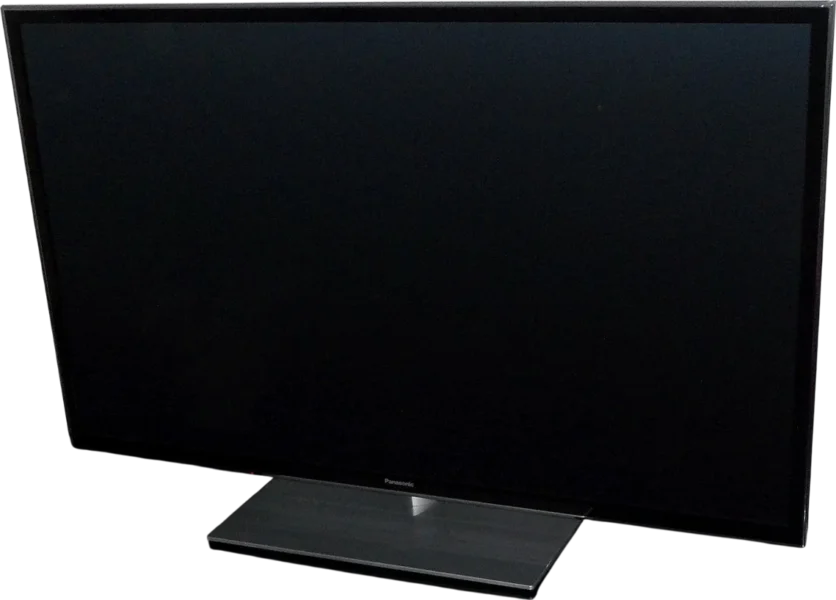
The Early Plasma Televisions represented a type of flat-panel display technology that was manufactured by a variety of electronics companies and came into existence in 1997.
Background
Plasma display technology came into existence as a substantial advancement in the realm of television display systems during the late 1990s, highlighting a significant departure from the traditional cathode-ray tube (CRT) technologies that had been prevalent for many years. The fundamental mechanism that underpinned this technology involved electrically charged gases contained within small compartments located between two glass panels, which in turn would ionize to create plasma and emit ultraviolet light when voltage was applied, thereby generating visible images on the screen.
These displays served as a technological bridge that connected older CRT systems with the later-dominant LCD technologies that would follow. Engineers and researchers had been diligently exploring various flat-panel display technologies throughout the 1980s and the early 1990s, with plasma displays offering numerous advantages over the existing screen technologies—most notably their ability to create larger screens that featured deeper black levels and provided wider viewing angles for the audience.
Features
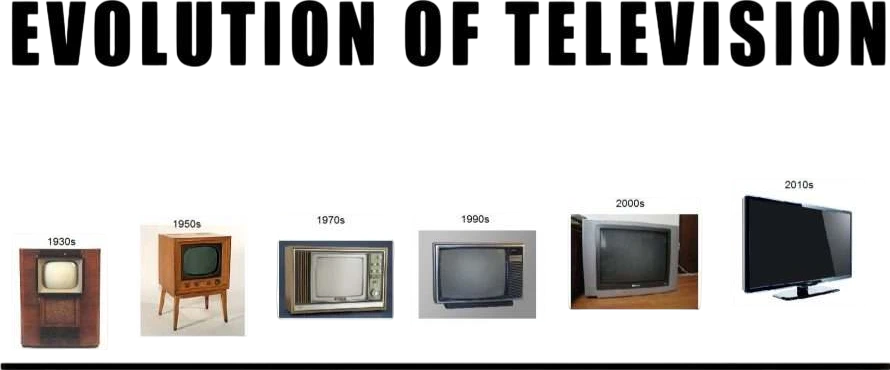
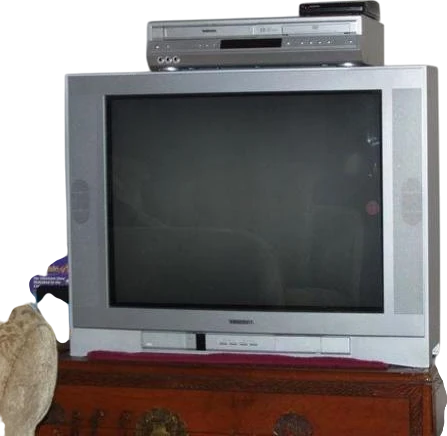
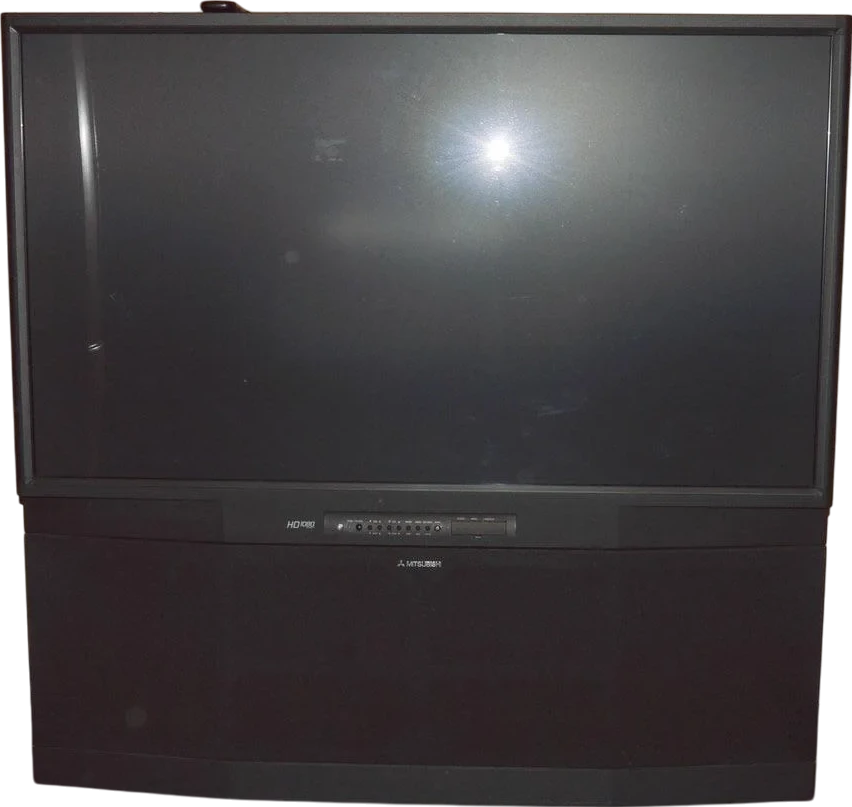
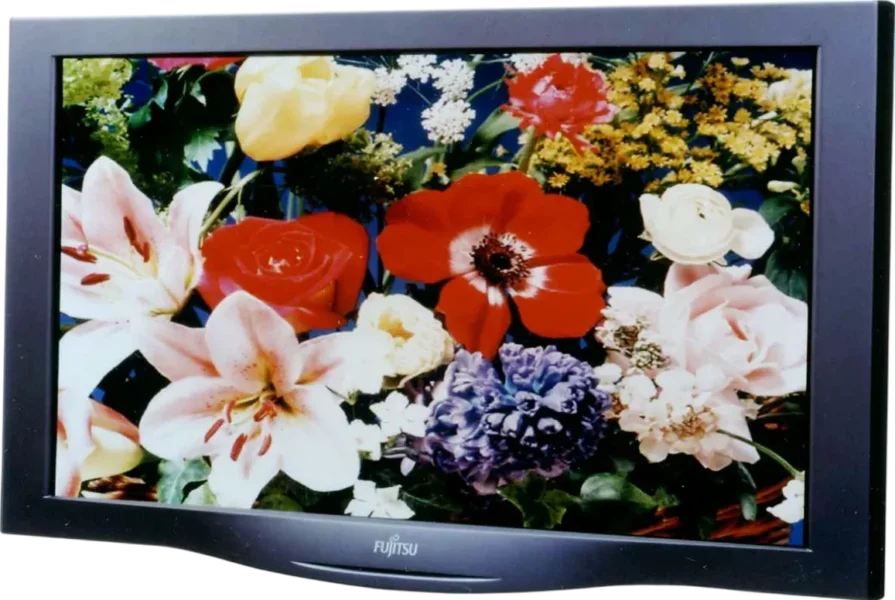
Plasma televisions typically showcased several distinctive technical characteristics that set them apart from other display technologies:
– Screen sizes that ranged from 42 to 65 inches
– Resolution capabilities of 852×480 pixels in the early models
– Refresh rates that fluctuated between 60 and 75 Hz
– Viewing angles that approached an impressive 160 degrees
– Phosphor-based color generation that utilized ultraviolet light for image creation
The displays consumed a greater amount of electrical power in comparison to the later LCD technologies, with early models drawing significant quantities of electricity—sometimes between 350 and 500 watts during operation. Their glass panel construction rendered them relatively heavy, with 42-inch models often weighing somewhere between 75 and 100 pounds.
Popularity and Legacy
During the late 1990s and early 2000s, plasma televisions came to represent a premium display technology, commanding high prices and captivating the attention of technology enthusiasts. Consumers developed a strong appreciation for their large screen sizes and superior picture quality when compared to CRT televisions, although the initial cost was quite substantial—where 42-inch models were often priced between $8,000 and $15,000 during their first years in the marketplace.
By the mid-2000s, plasma displays had become considerably more affordable; however, competition from LCD technologies was steadily increasing. Many home theater enthusiasts and videophiles preferred plasma displays due to their superior color reproduction and motion handling capabilities, particularly when it came to sports and action content that demanded high levels of visual clarity.
Video Reviews and Commercials
Availability and Collectability
While plasma televisions are no longer actively manufactured by major electronics companies—with production ceasing around 2014—some models have become quite collectible among vintage technology enthusiasts. Early models from Pioneer and Panasonic plasma displays that were produced in the late 1990s and early 2000s are particularly sought after by avid collectors.
Functioning plasma televisions from this era can still be located through specialized vintage electronics dealers, online marketplaces, and dedicated enthusiast networks. Collectors typically place a high value on models that remain in their original condition, characterized by minimal screen burn-in and fully functioning components.
The technology ultimately paved the way for subsequent innovations in flat-panel display technology, serving as a crucial transitional technology that bridged the gap between bulky CRT screens and the slim, energy-efficient displays that we utilize today.