










Background
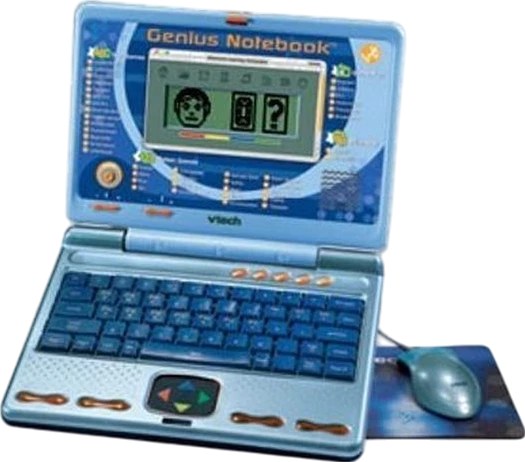
The Genius Digital Notebook was a multifunctional portable device that was manufactured by the company Genius and released into the market in 2005, and it was positioned as a hybrid between the early personal digital assistants (PDAs) and multimedia tools. It arrived during a time when consumer electronics were increasingly engaging in experiments with convergence—this refers to the combining of communication, productivity, and entertainment features all into single devices. Unlike the Palm Pilot’s emphasis on calendaring or the BlackBerry’s email capabilities, the Digital Notebook integrated a variety of sensors, adaptive software, and telecommunications, a combination that reflected the broader trends in miniaturization and connectivity that characterized the mid-2000s. The device’s development coincided with the rise of Bluetooth technology and the adoption of Wi-Fi, although its exact implementation of these standards was subject to variation depending on the regional models available.
Genius, a company that is based in Taiwan and was already well-known for producing optical and input devices such as computer mice and webcams, leveraged its expertise in hardware to experiment with this more complex product offering. The notebook’s design drew partial inspiration from various patents that were filed around the concept of adaptive user interfaces, including one that referenced “sound vision” systems which adjusted audio output based on the levels of environmental noise present. While the device was not explicitly marketed as one driven by artificial intelligence, its synthesizer component had the ability to tweak sound profiles—such as equalizer settings or notification tones—based on the preferences that were repeatedly indicated by users, a feature that was framed as “intuitive” in the promotional materials that were created. However, the software suite required manual updates via CD-ROM, a limitation that was common to gadgets that were produced before the era of cloud computing.
Features
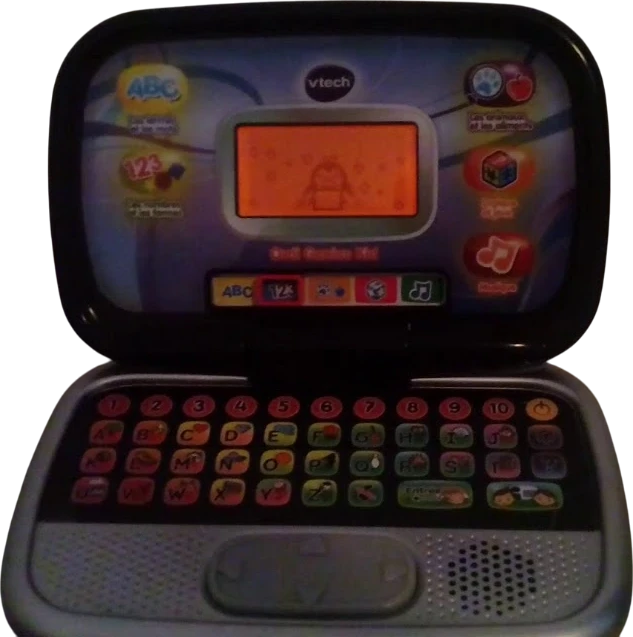
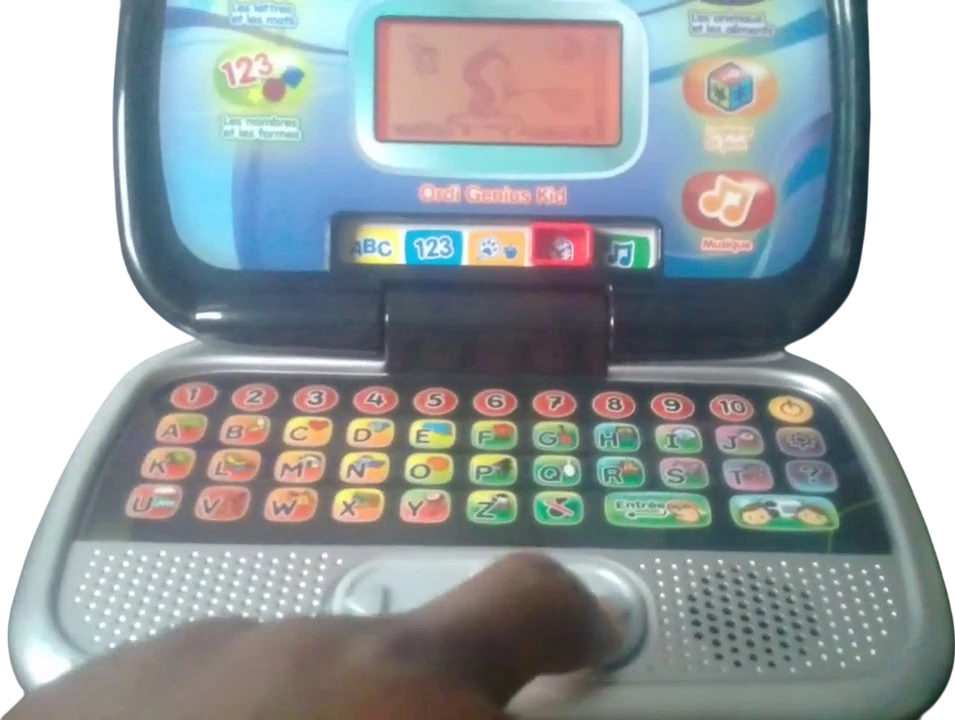
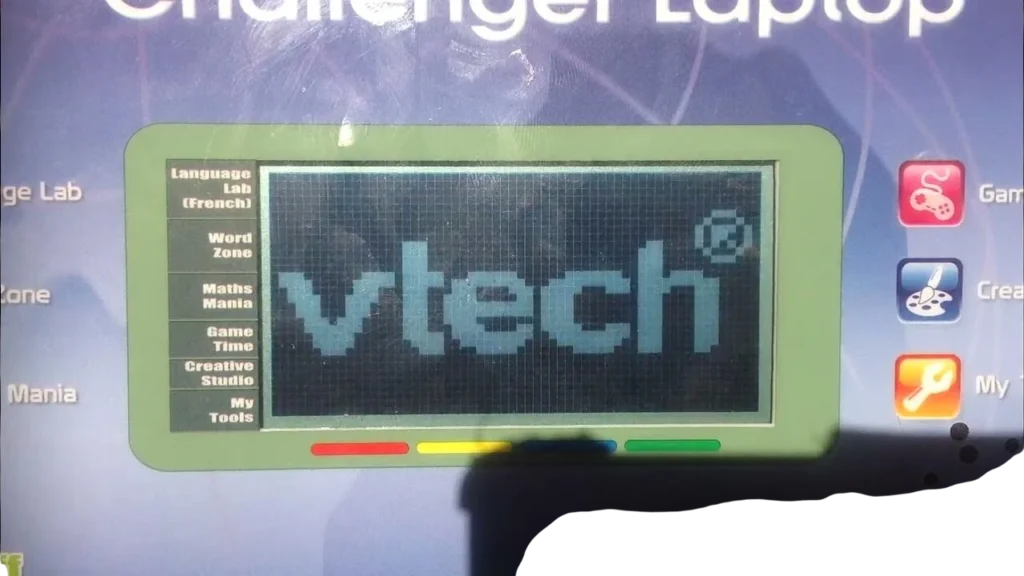
The Digital Notebook’s hardware included a mix of components that were considered advanced for the year 2005, although they were not entirely unprecedented in the broader landscape of technology. Its pressure-sensitive stylus and touchpad utilized resistive sensor technology, which allowed for basic handwriting recognition and menu navigation, albeit with the occasional lag that users experienced. Additionally, the device featured a monochromatic LCD screen—a choice made to save costs compared to the color displays of higher-end PDAs—and it included a built-in microphone that could be used for recording voice memos. Notably, its synthesizer module was capable of generating ringtones or alarms by utilizing a library of preloaded sounds, which users had the ability to modify through a grid-based interface that resembled the early music sequencers that were popular during that time.
Key features of this device included:
- Telecommunications capabilities via Bluetooth 1.2 and optional infrared, enabling the transfer of files to compatible phones or computers
- A “smart organizer” application that included a calendar, contacts, and task lists which could be synced via USB 2.0
- An adaptive audio system that lowered playback volume in noisy environments or shifted tones based on the time of day
- Expandable storage through the use of Secure Digital (SD) cards, supporting up to 2GB—a capacity that was considered modest in comparison to iPods of that particular era
The software suite, which was bundled on a 450MB CD, offered basic word processing and spreadsheet tools, although the formatting options that were available were quite limited. Users noted that there was a learning curve associated with customizing the synthesizer’s adaptive settings, which required navigating through nested menus without the support of a touchscreen interface.
Popularity and Legacy
The Digital Notebook experienced moderate sales in both Asia and Europe, but it struggled significantly to gain traction in the North American market, where devices such as the Palm TX and Dell Axim were firmly dominating the PDA landscape. Priced at $249 upon its release—an amount that is roughly equivalent to $380 when adjusted for inflation—it was considered expensive for a gadget that lacked cellular connectivity or a color display. Tech reviewers praised the ambition of the product but criticized its clunky menu navigation and the synthesizer’s relatively niche appeal. A review published by CNET in 2006 humorously quipped, “It’s trying to be a Swiss Army knife, but half the tools are stuck in the closed position.”
Despite its commercial limitations, the device influenced subsequent Genius products, including a smartpen released in 2008 that reused its pressure-sensitive sensor technology. The adaptive audio feature, while rudimentary in nature, hinted at the contextual awareness that can be seen in modern noise-cancelling headphones or smartphone “focus modes.” Collectors of mid-2000s technology occasionally reference the Digital Notebook as a curiosity, emblematic of an era when multifunctionality often meant compromise. However, its legacy continues to remain overshadowed by contemporaries such as the Sony CLIÉ or Nokia’s N-series phones, which achieved much broader adoption in the marketplace.
Video Reviews and Commercials
Sam Altman discusses his note-taking method, preferring a simple spiral notebook that can lie flat and allows easy page removal. He emphasizes the importance of taking notes throughout the week and using a practical, straightforward approach to capturing ideas and thoughts.
Availability and Collectability
As of 2023, the Genius Digital Notebook is primarily found on secondary markets such as eBay or regional auction sites, where it is often listed under categories such as “vintage tech” or “retro PDA.” Units that are in working condition typically sell for a price range of $50 to $80, although models that come with original packaging or unused accessory kits (including stylus replacements and leather cases) can fetch prices that go up to $120. The collectability of this device is hampered by the issue of software obsolescence—the organizer application does not sync with modern operating systems—and there is also a reliance on outdated SD card formats. Hobbyist forums occasionally share workarounds for transferring files using vintage PCs or emulators, but casual users rarely attempt these fixes due to their complexity.
Genius Electronics Optical Co Ltd, which is still operational in Taiwan, no longer provides support for the device, although third-party repair shops located in East Asia sometimes stock replacement batteries for it. The annual report for 2023 from Genius’ parent company mentions ongoing research and development concerning optical sensors but makes no reference to any plans for reviving legacy products. For collectors, the value of the notebook lies in its encapsulation of the design trends that were prevalent in the mid-2000s: chunky plastic casings, tethered connectivity, and the optimistic yet awkward fusion of productivity and creativity tools. It stands as a relic that never quite achieved iconic status but offers a tangible snapshot of the experimentation that took place prior to the smartphone revolution.