










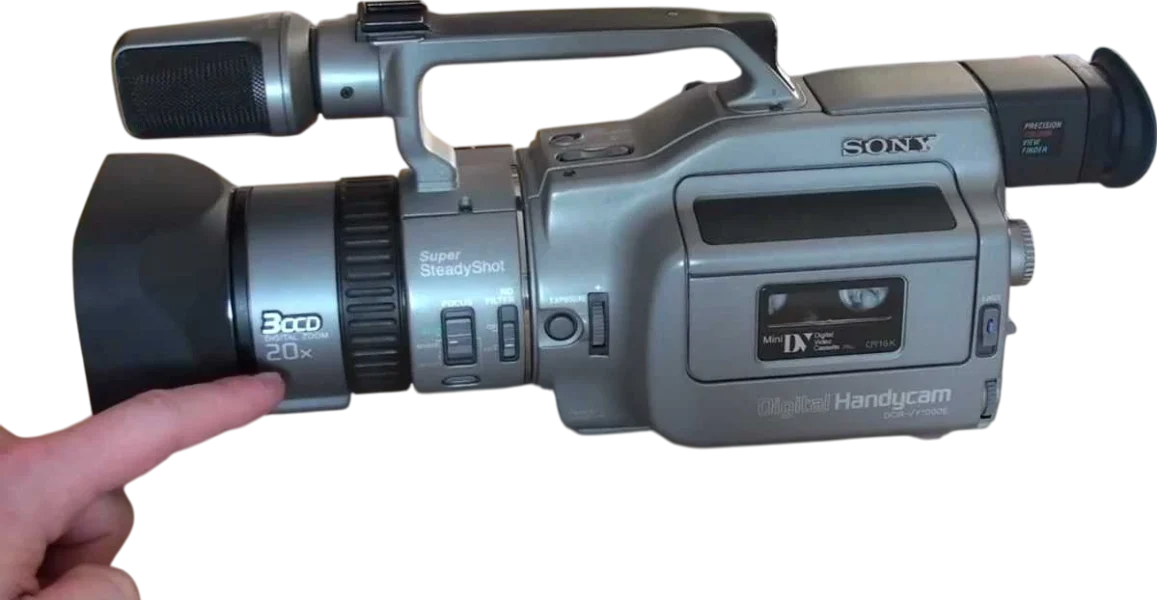
The Sony VX1000 Handycam was a digital video camcorder that was manufactured by the renowned company Sony and subsequently released to the public in the year 1995.
Background
The Sony DCR-VX1000 came into existence during a crucial and transformative moment in the realm of digital video technology, representing a significant leap forward in the field of portable video capture. Developed specifically as a prosumer device, this camcorder effectively targeted both high-end consumers who were passionate about video recording and low-end professional users who were actively seeking more advanced recording capabilities, which in turn was quite different from the bulky and cumbersome video equipment that had been prevalent in previous decades.
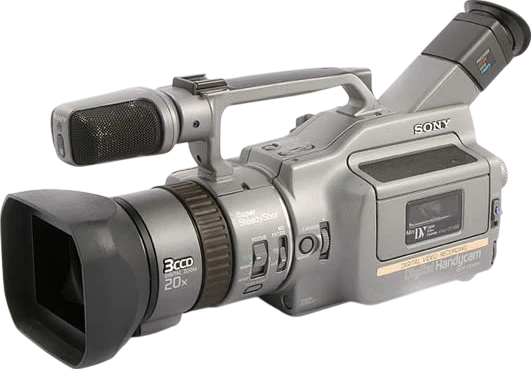
Sony’s design for this camcorder drew significant inspiration from their earlier Hi8 camcorders, such as the VX1 and VX3 models, while maintaining a distinctive and recognizable form factor that included a uniquely shaped stereo microphone array positioned at the front of the handle. This innovative design would go on to become iconic and would influence a plethora of subsequent Sony DV and HDV camcorders across various product lines.
Features
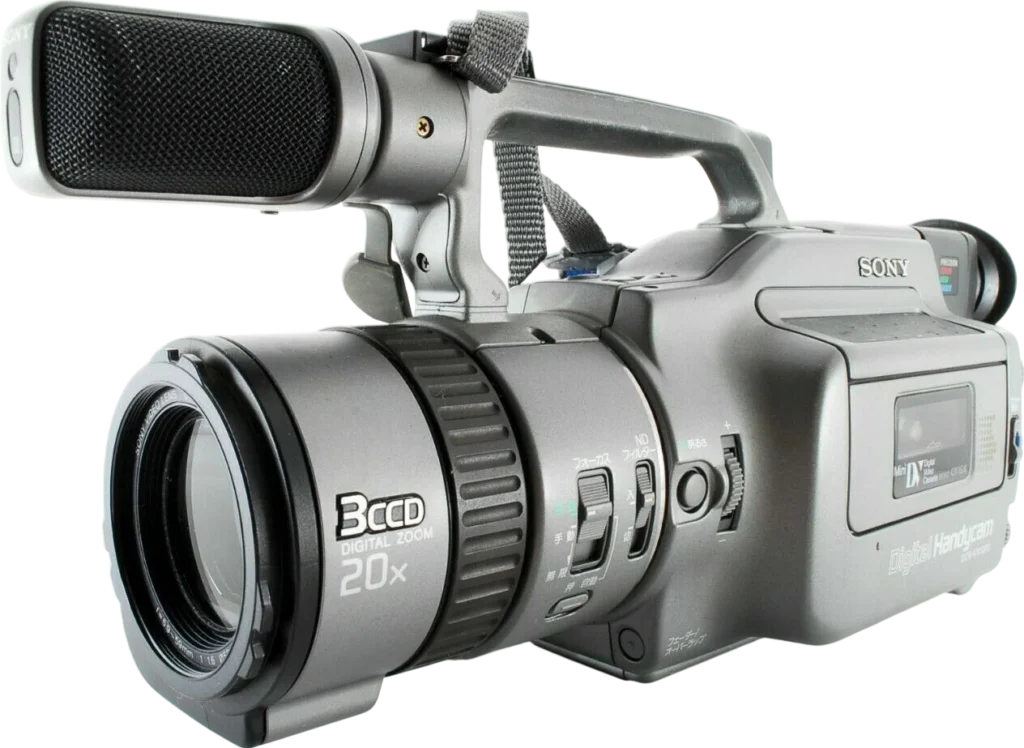
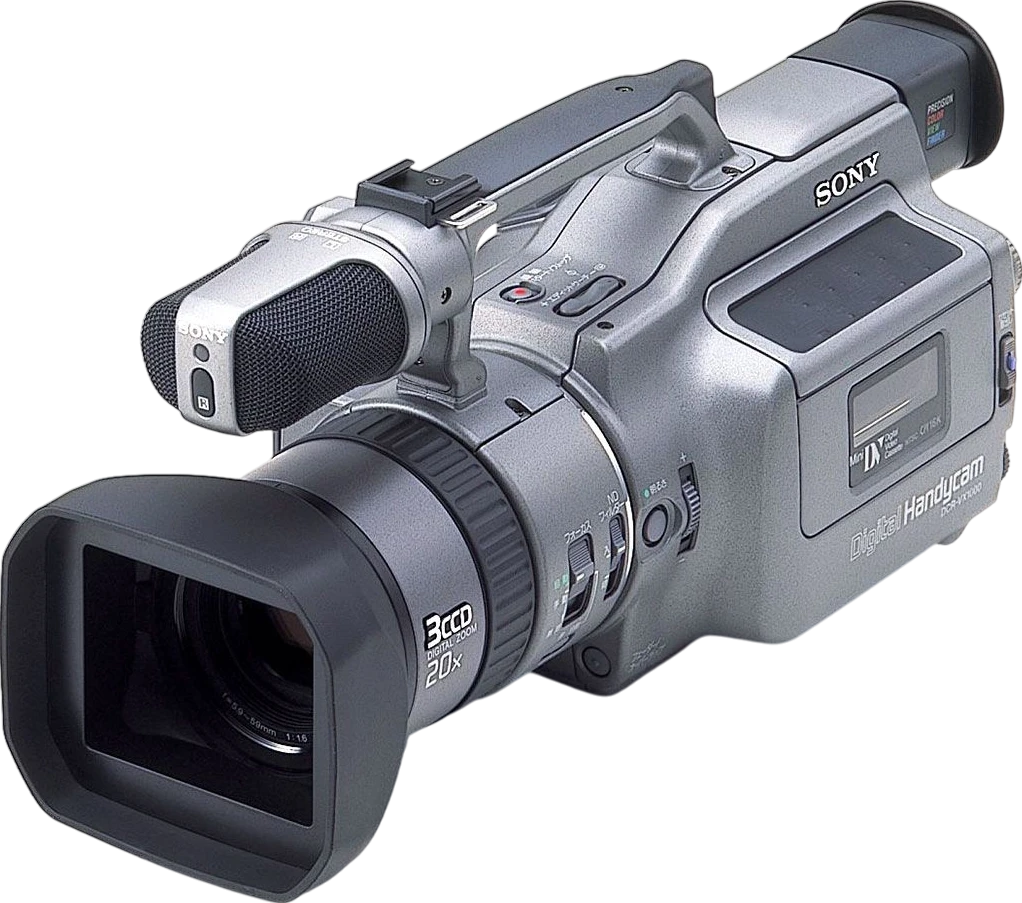
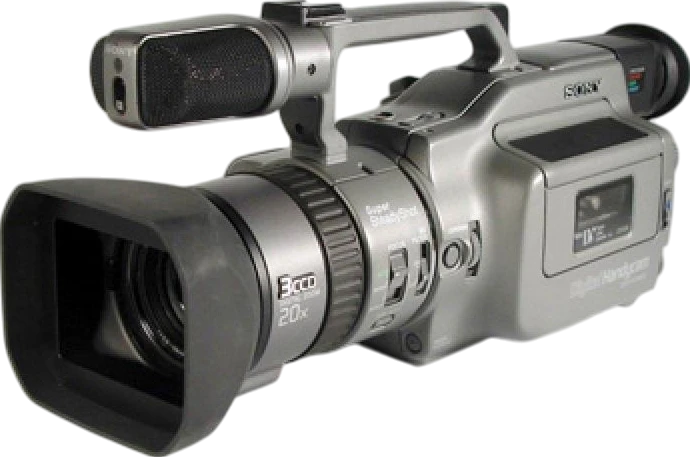
The VX1000 proudly boasted several groundbreaking and revolutionary technical specifications that set it apart from the contemporary recording devices that were available at the time:
• It was the very first consumer camcorder to feature three 1/3-inch CCD sensors
• It offered compatibility with the MiniDV tape format
• Its digital sensor resolution was an impressive 410,000 pixels
• It provided Firewire connectivity for direct computer video transfer
• It achieved a horizontal resolution that was twice that of standard VHS
• It delivered a triple color bandwidth compared to traditional single-CCD cameras
The technical capabilities of this camcorder meant that it provided significantly improved image quality – a feature that was quite rare in portable video equipment during that particular era. Its remarkable ability to transfer video directly to computers via Firewire was particularly revolutionary, allowing both amateur and professional videographers unprecedented levels of editing flexibility that had not been seen before.
Popularity and Legacy
Despite the rapid technological advancements that occurred in the years that followed, the VX1000 was able to maintain a cult following, particularly within specific creative communities that appreciated its unique qualities. Skateboarders, for instance, developed a profound appreciation for the camera’s aesthetic and functional qualities. Filmmakers such as Ty Evans praised its thoughtful design, noting how the handle enabled innovative “follow-cam” shooting techniques that ultimately became standard in the realm of action sports videography.
Independent filmmakers also wholeheartedly embraced the VX1000, with directors such as Lars von Trier utilizing it to shoot entire feature films. The camera represented a democratization of the video production process, making high-quality recording capabilities accessible to a wide range of creators who previously found themselves unable to afford professional-grade equipment.
Video Reviews and Commercials
Availability and Collectability
At the time of its initial release, the VX1000 carried a substantial price tag of approximately $3,000 – a significant investment for the majority of consumers. Today, the camera has transitioned into a collector’s item, with enthusiastic collectors and vintage technology fans actively seeking well-maintained models that are still in good condition.
The enduring popularity of the camera stems not solely from nostalgia, but also from its genuine technological significance. It effectively bridged the gap between consumer and professional video equipment, helping to transform how visual stories could be captured and subsequently shared with the world. Skate video producers, documentary filmmakers, and technology historians continue to recognize the VX1000 as a pivotal device in the ongoing evolution of digital video recording.
Interestingly, even several decades after its initial release, some skate videographers continue to prefer the VX1000’s distinctive visual aesthetic, utilizing it alongside or even in place of modern high-definition cameras. This enduring preference speaks to the camcorder’s unique and cherished place in visual culture – not merely as a technological artifact, but as a vital tool that significantly shaped how entire creative communities documented their experiences and artistic expressions.