










The Toshiba 1st Generation CDROM Drive was a completely standalone external storage device that was manufactured by the well-known company Toshiba and subsequently released to the market in the year 1985.

Background
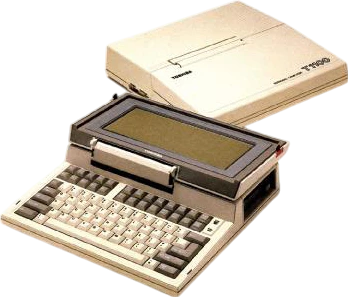
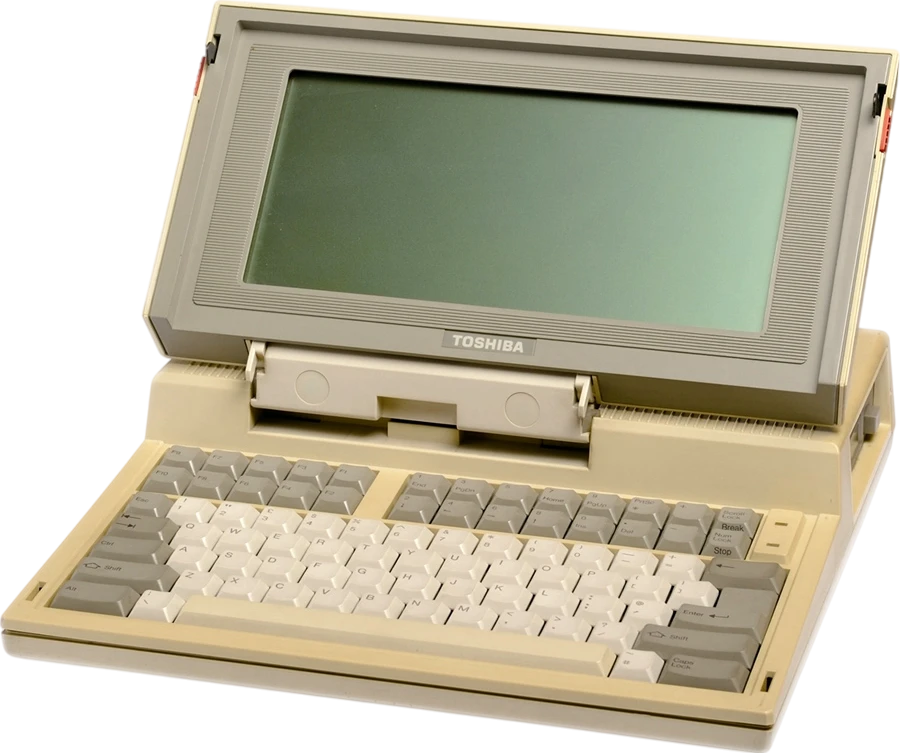
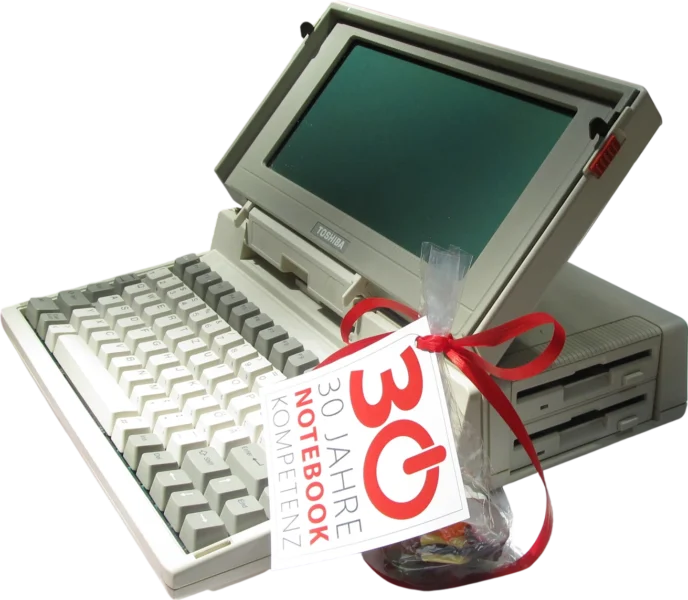
Toshiba’s foray into the CDROM market occurred during a time characterized by rapid technological change and advancement; the company itself had come into existence in 1939 through the merger of Shibaura Engineering Works and Tokyo Electric Company, entities that possessed roots stretching back to Japan’s Meiji era. By the mid-1980s, Toshiba was already recognized for consistently pushing the boundaries of technology—earlier in 1985, it had unveiled the T1100, which was one of the very first laptops designed for the mass market, featuring a clamshell design that ultimately set the template for portable computing devices.
The introduction of the CDROM drive took place at a moment when personal computers were heavily reliant on floppy disks and small-capacity hard drives, and the notion of storing hundreds of megabytes on a single disc was nearly unimaginable for the majority of users. Unlike audio CDs, which had been available since 1982, CDROMs necessitated specialized drives to read the computer data, and Toshiba’s model was amongst the earliest to commercialize this innovative technology for business and institutional use. The development of the drive was not conducted in isolation—Toshiba had collaborated closely with Sony on establishing optical storage standards, a partnership that significantly influenced the design of the caddy system that was utilized to load the discs.
Features
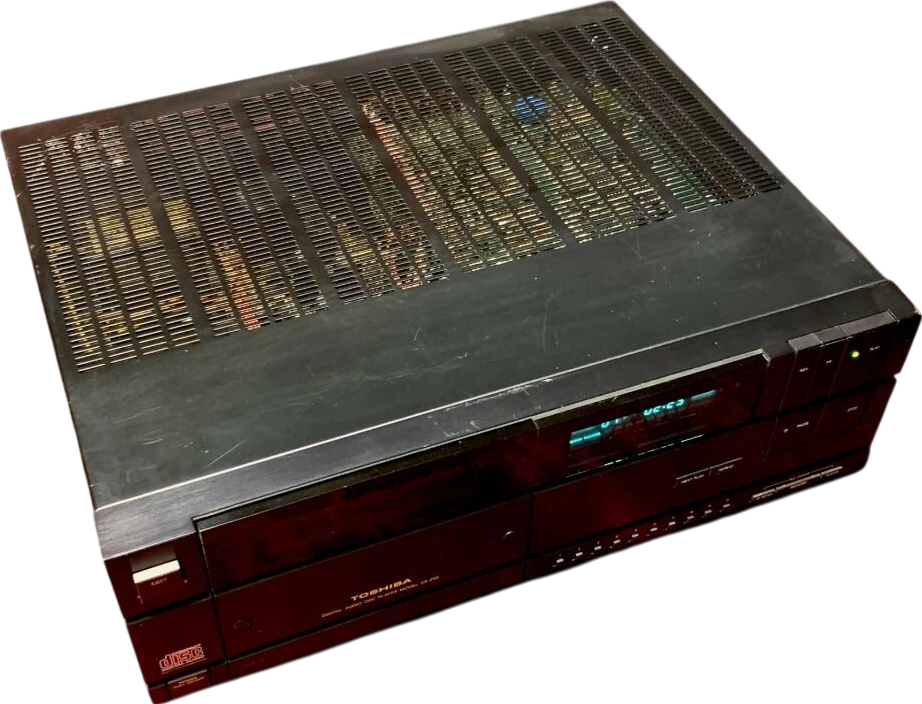
The most notable feature of the drive was undoubtedly its substantial storage capacity—an impressive 650 MB per disc, a figure that completely dwarfed the 30 MB hard drives that were common in mid-1980s workstations. This capability allowed software developers and institutions to distribute large datasets, encyclopedias, or multimedia content without the need to rely on stacks of floppy disks. However, transfer speeds were modest when evaluated by modern standards, hovering around 150 KB/s, which meant that loading full discs could take several minutes rather than just seconds.
The physical design of the drive adhered to the trend of early external peripherals—the unit was a bulky metal-and-plastic box that required its own dedicated power supply, which was often placed beside or underneath desktop computers. Discs were loaded utilizing Sony-designed caddies, which were essentially plastic enclosures that users slid into the drive much like a VHS tape. While CDs themselves proved to be quite durable, the caddy system was intended to protect the laser lens from dust particles and to prevent misalignment; however, some users found the additional step to be quite cumbersome when compared to the later tray-loading mechanisms that became prevalent.
- Interface: SCSI or proprietary connections, depending on the specific region
- Disc compatibility: CD-DA (audio), CDROM Mode 1
- Dimensions: Approximately 16 inches wide, 5.5 inches in height, and 10 inches in depth
Popularity and Legacy
The adoption of this technology was initially slow due to the high costs associated with it—the drive itself retailed for over $1,000 in 1985 dollars, with blank CDRs costing anywhere from $15 to $20 each. Early adopters included universities and government agencies that required archival storage solutions, and software companies gradually began utilizing CDROMs for distribution purposes by the late 1980s, with Microsoft’s Encarta encyclopedia being a particularly famous example. Toshiba’s drive was not the only option available on the market—competitors such as Philips and Hitachi offered similar models—but it gained significant traction in Japan and select international markets.
By the early 1990s, caddy-based designs began to fall out of favor as tray-loading mechanisms emerged to reduce costs and simplify the manufacturing process; Toshiba itself shifted its focus to developing DVD technology, culminating in the release of its first high-density optical disc in 1995. The legacy of the 1st Generation CDROM Drive lies in its ability to bridge the gap between floppy-based systems and the multimedia computing boom that took place in the 1990s; it also showcased Toshiba’s capacity to adapt storage technologies for professional use, a recurring theme observed in their later ventures into HDD-DVD combinations and enterprise servers.
Video Reviews and Commercials
Availability and Collectability
Surviving units of this drive are quite uncommon—many were utilized until they reached the point of failure in various institutional settings, and the drives’ relatively large size made them prone to being discarded during office upgrades. In today’s market, functional examples occasionally make an appearance on auction sites or retro computing forums, with prices ranging from $200 for non-working “as-is” units to over $1,000 for tested drives that come with their original caddies and accompanying documentation. The caddies themselves have become collectible items, with empty Sony-style cases sometimes selling for $50 to $75 due to their relative scarcity.
The condition of the drives heavily influences their overall value, as drives with intact lasers and minimal yellowing of plastic components command higher premiums. Enthusiasts and collectors note that maintaining these particular units requires a significant amount of patience—replacing worn belts or cleaning lens assemblies that are decades old is often necessary. In comparison to other technological artifacts from the 1980s, such as the Toshiba T1100 laptop, which has achieved IEEE milestone status, the CDROM drive remains a niche artifact, appreciated more for its role in the evolution of data storage than for any groundbreaking design features it may have possessed.