






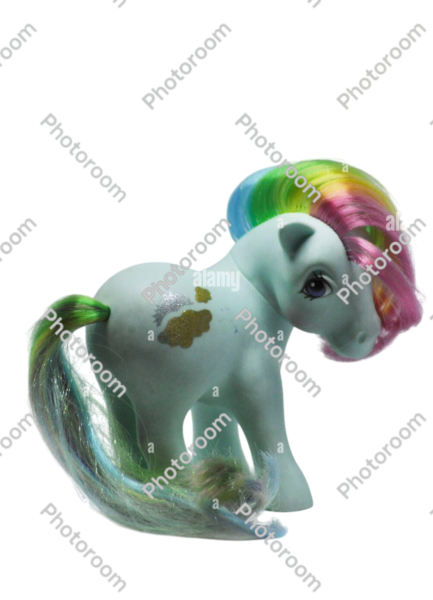
The My Little Pony (1980 Original) was a vibrant toy line showcasing an array of colorful plastic pony figures with brushable manes—manufactured meticulously by Hasbro and subsequently released in 1983, these toys became an iconic part of many childhoods during the flamboyant 1980s.
Background
Let’s engage in a discussion about where it all commenced. My Little Pony, frequently abbreviated as MLP, was actually conceived from the imaginative idea of Bonnie Zacherle, who originally crafted ‘My Pretty Pony’ in 1981 before it gradually evolved into the MLP we recognize today. The concept germinated from Zacherle’s childhood aspiration of possessing a pony. Initially, the toys intended to be gender-neutral—a feature that ensured kids, irrespective of who they were, could derive enjoyment. However, nad swiftly skewed toward a more female-oriented audience—which aligned seamlessly with Hasbro’s ambition to create a prosperous ‘girl’s toy’ following their success with male-centric ones like G.I. Joe.
The first generation (often referred to as G1) of these toys witnessed the light in 1982, featuring bright colors and whimsical designs that were remarkably ahead of their time. They were not just a mere accumulation of plastic; each came with distinctive symbols on their flanks, known as “cutie marks,” which later became an essential element in My Little Pony lore. The inaugural set of ponies included beloved characters such as Cotton Candy, Blue Belle, and Minty. Children during this era—some harboring wild imaginations—adored pretending they were embarking on grandiose adventures with the ponies. This phase also signified the inception of MLP’s accompanying media ventures, commencing with TV specials and eventually a long-running series.
Moreover, in addition to Bonnie, Charles Muenchinger and Steve D’Aguanno played pivotal roles in bringing these vibrant creatures to existence. Despite originating as an idea for a realistic toy horse, the final product couldn’t have been more different—but fantastically so. Colorful manes like cotton candy, sturdy yet flexible plastic bodies, and those iconic cutie marks all contributed to a highly enjoyable toy line that captivated attention for numerous years.
Features
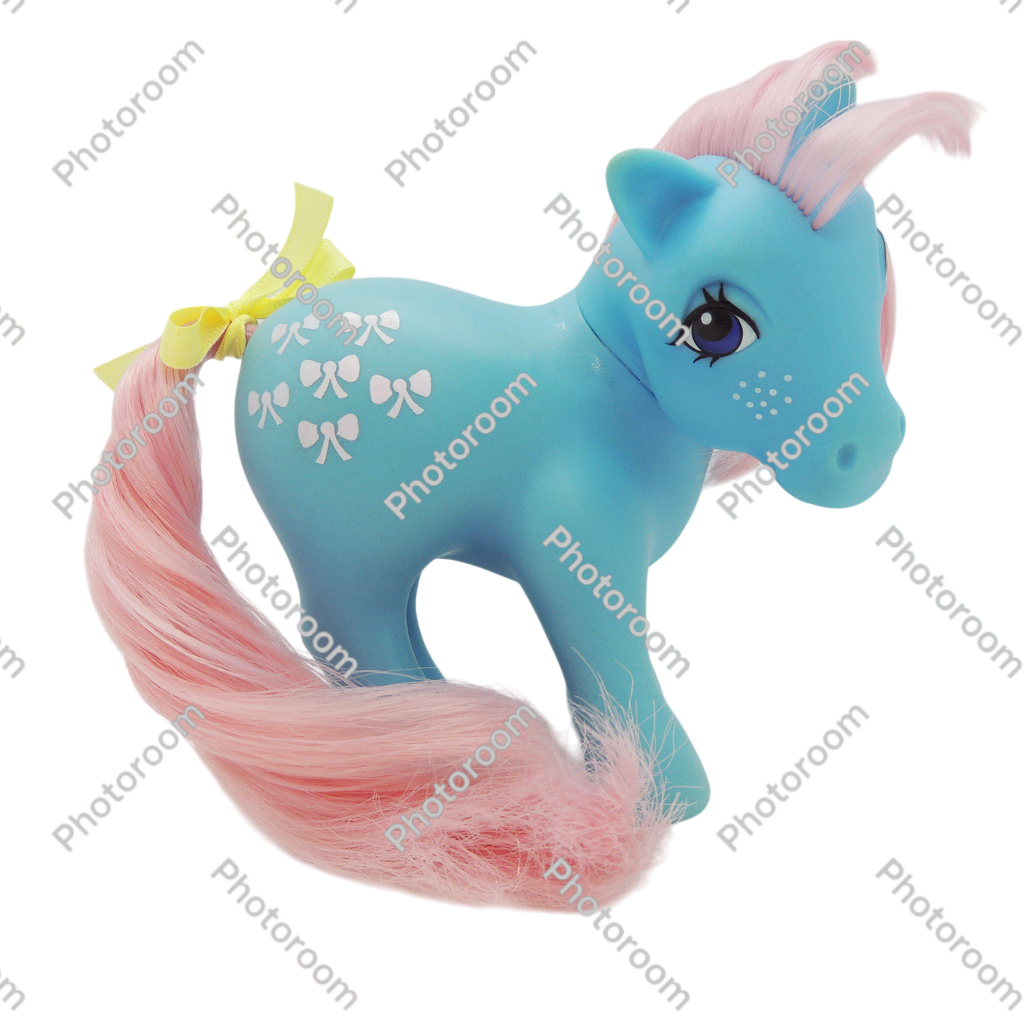
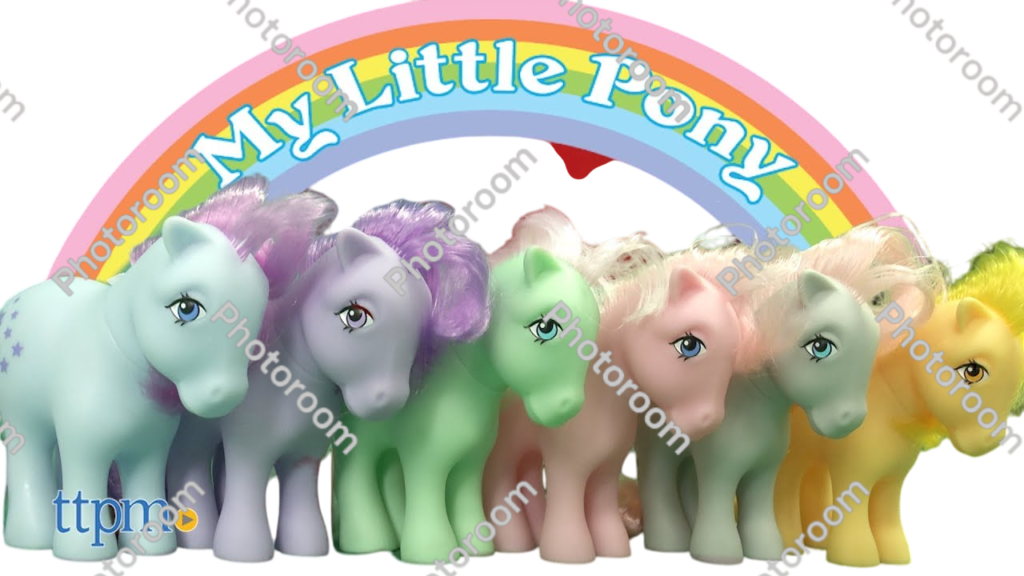
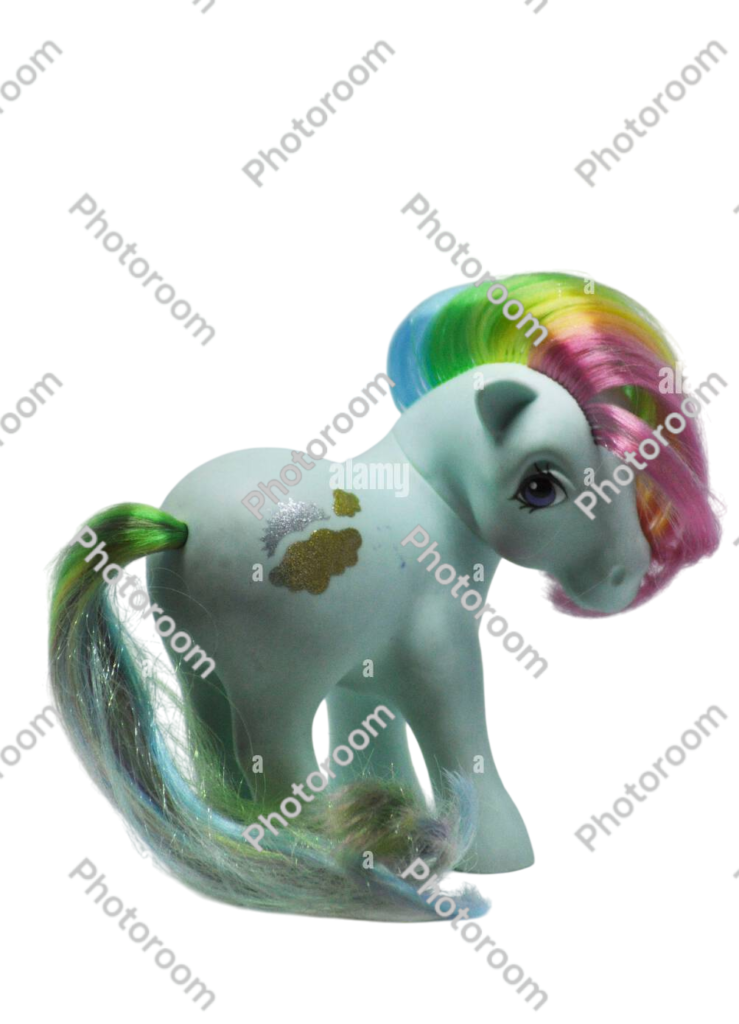
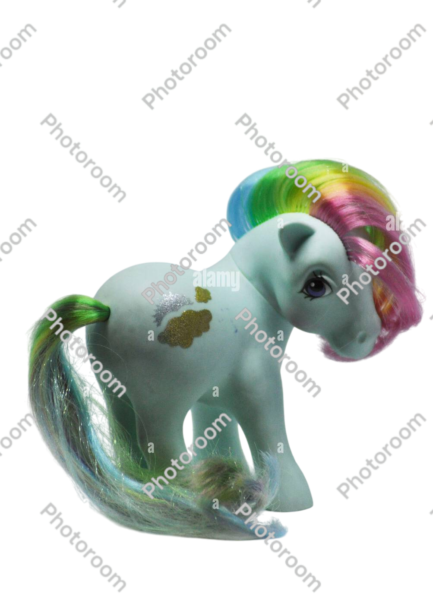
Now, shifting focus to what made these little ponies distinguishable. As previously mentioned, each pony was unique—featuring vibrant color schemes that truly stood out on store shelves. Every pony came equipped with brushable manes and tails—a detail that was particularly engaging since kids could style them to their heart’s delight. The design incorporated various body types, symbolizing individuality through cutie marks—small images on each pony’s flank that conveyed aspects of their personality or talents. This element introduced a layer of storytelling that was straightforward yet captivating for young minds.
In terms of technical particulars—don’t underestimate the craftsmanship of these toys. The durable plastic construction rendered them resilient enough to endure rigorous playtimes but easy to clean in the unfortunate event of a messy lunchtime spill. The toys arrived in various poses, with the heads and legs often molded in active stances, imparting them with a sense of movement even when they’re merely sitting still on a shelf.
Additionally, beyond the basic figures, play sets expanded the toy universe even further. You had the Paradise Estate—a pink wiht mansion with tiny furniture pieces, for example. These sets came with a plethora of accessories, encouraging even more imaginative play scenarios where these ponies lived like royalty. Therefore, play wasn’t solely confined to the ponies alone, but entire environments also came into play.
Popularity and Legacy
In the 1980s, My Little Pony didn’t merely infiltrate kids’ toy boxes—it evolved into a cultural phenomenon of sorts. By 1990, over 150 million ponies had been sold worldwide. However, it wasn’t entirely smooth sailing; as newer toys and franchises entered the market, My Little Pony’s popularity began waning in the 1990s. This decline led to the original line’s discontinuation in the United States by 1992 and globally by 1995.
Interestingly, the franchise didn’t simply fade away. There was a revival in 2010, spearheaded by the animated series “My Little Pony: Friendship is Magic.” The show cultivated a now-unexpected fanbase comprising not just kids but adults—coined ‘bronies’—who introduced a peculiar yet vibrant cultural fandom around the franchise. This resurgence was largely due to a fresh narrative approach, crafted by animator Lauren Faust, that infused nad appeal with a rich storyline and sharp character development.
The legacy of My Little Pony is incontrovertible, having carved itself a niche in nostalgia-driven collectibles while also innovating with each new generation of toys and accompanying media. It’s not every day we witness a toy line that spans so many years with sustained success even as it reaches a broader audience than originally intended.
Advertisements / Commercials
Availability and Collectability
For collectors and enthusiasts, the availability of My Little Pony toys hinges significantly on where you search. Original G1 toys—especially those in pristine condition or unopened—are often coveted finds and can be quite valuable. Online marketplaces like eBay are inundated with listings from sellers who have preserved these toys in collection-worthy condition. Naturally, the more elusive—ahem, rare characters—attract the most attention and command higher price tags.
In recent years, pop culture conventions and specialized collectors’ events have become hotspots for acquiring vintage My Little Pony memorabilia. Such items aren’t just limited to pony figures but extend to apparel, posters, and accessories associated with the franchise. For instance, a mint-condition Cotton Candy pony can fetch anywhere from $30 to $150, depending on its condition and accompanying accessories.
As for newer generations, they are accessible in most toy stores and online retailers. Of course, with each new generation, designs, materials, even the narratives evolve, catering to modern sensibilities and trends. However, when it comes down to it, whether it’s a new release or a cherished piece of nostalgia, My Little Pony toys still retain that unique charm that captured hearts back in the ’80s.