







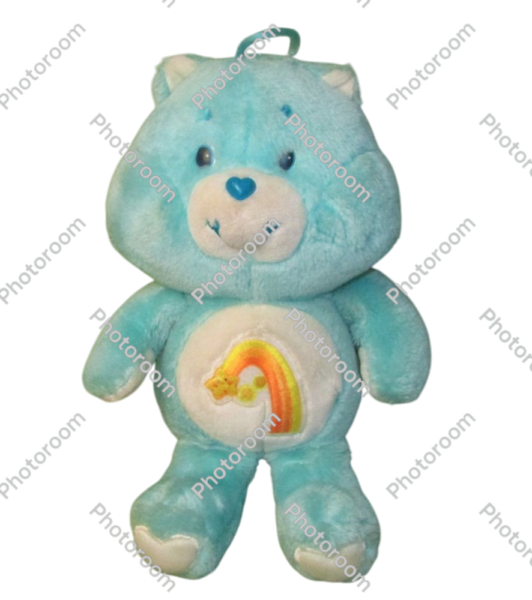
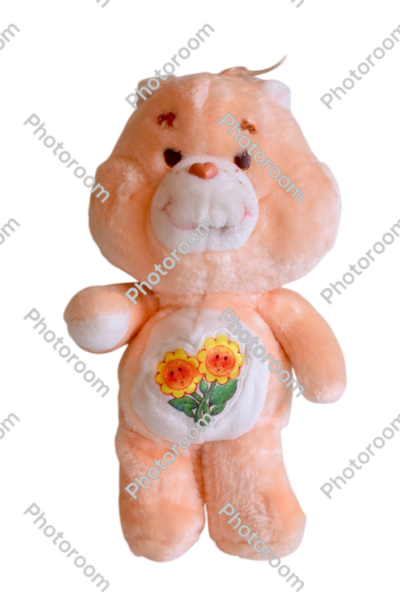
The Care Bears (Original 1980 Bear) was a series of plush toys manufactured by American Greetings and released in 1983—and these colorful and friendly bears—each with a unique tummy symbol—quickly became a staple in children’s toy collections across America.
Background
Originating from the creative minds at American Greetings in 1981, the Care Bears were initially presented as characters on greeting cards—and realizing their potential as plush toys, American Greetings allied with Kenner to bring these bears to fruition. The concept revolved around combining the traditional teddy bear with colorful, emotionally meaningful designs, making each bear unique with its own “belly badge” symbol. Guided by a team under “Those Characters From Cleveland,” artists like Elena Kucharik and Muriel Fahrion played significant roles in their creation.
The initial idea of combining greeting card designs with plush bears originated as a simple, yet effective marketing strategy—and the Care Bears were introduced at a time when character merchandise was flourishing, and the concept fit seamlessly with the burgeoning trend of personality-rich, value-driven toys. The branding was strategic, combining an emotional appeal with a mission of spreading care, thus differentiating them from other toys like My Little Pony or Strawberry Shortcake, both of which also emerged during this era.
Features
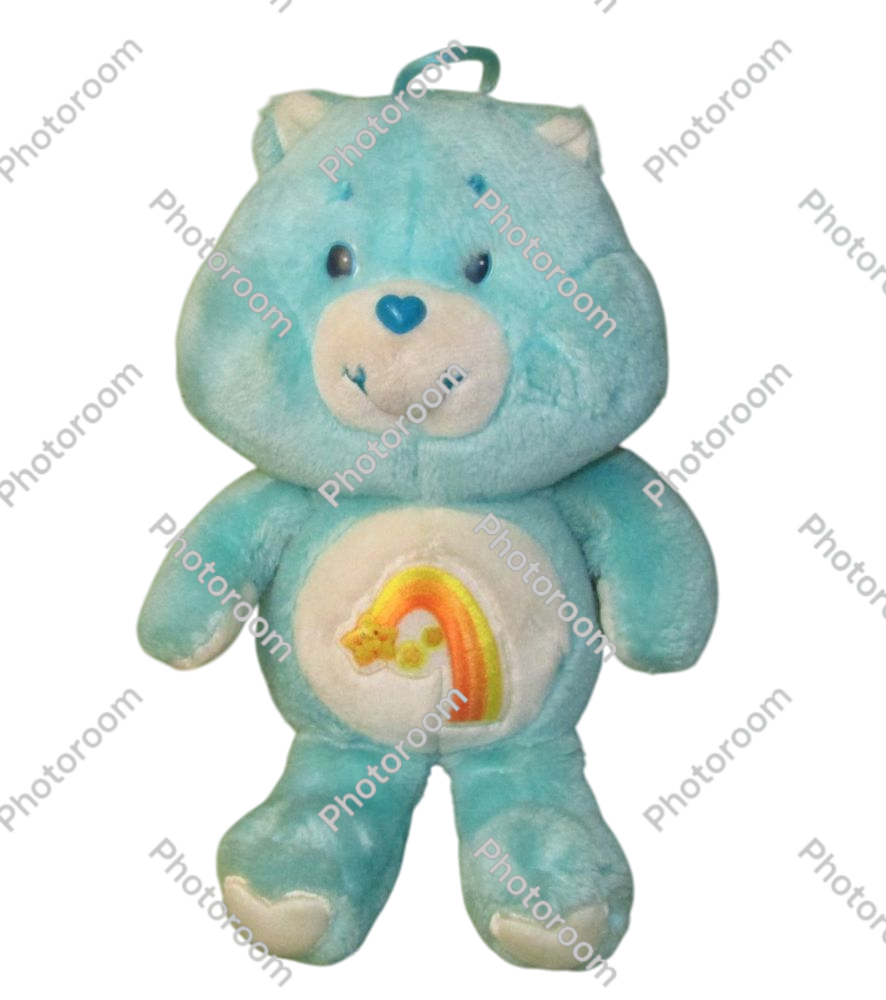
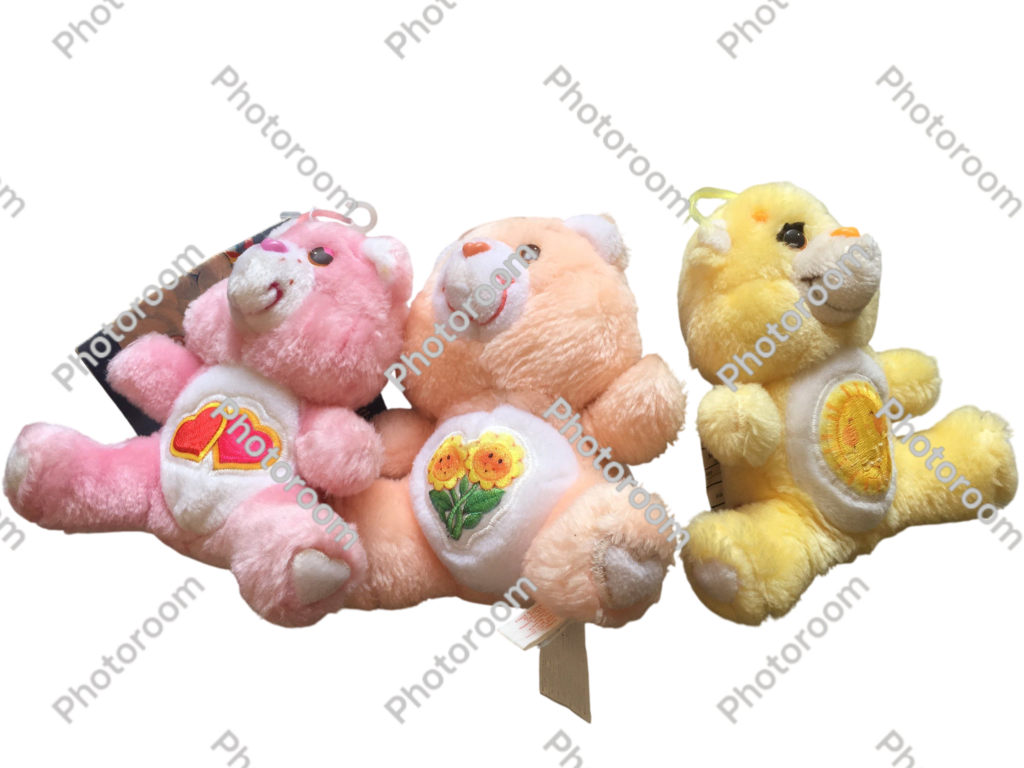
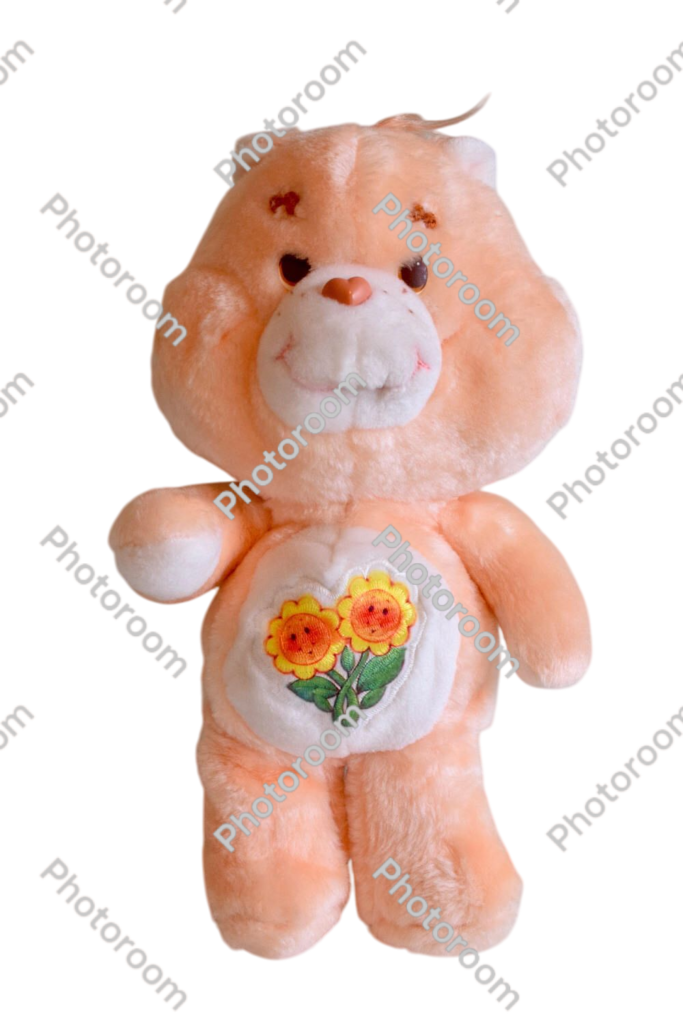
One of the defining elements of the Care Bears was their unique “tummy symbols”—later referred to as belly badges—which were more than mere decorations, as they encapsulated each bear’s personality or role. For instance, Tenderheart Bear, with a red heart, represented love, while Grumpy Bear had a rain cloud, reflecting his more pessimistic nature.
In terms of physical build, the original Care Bear plush toys were designed to be soft and huggable—embodying the quintessential comforting quality of teddy bears—and as the franchise evolved, technological enhancements were introduced in some variants, such as electronic components enabling them to speak or illuminate, thus adding an interactive aspect for children.
Popularity and Legacy
Introduced in 1983, Care Bears swiftly became a cultural phenomenon—and the response from children was immensely positive, likely due to their vibrant appeal and the emotional values they represented. By their first year, American Greetings and Kenner had secured deals with 26 licensees, ensuring that the Care Bears appeared on everything from clothing to stationery. This widespread exposure helped solidify their status as a household name.
The Care Bears franchise expanded beyond toys into television and film—and the first Care Bears Movie premiered in 1985, broadening the lore and renown of these characters. Despite mixed reviews, the film served as a launching pad for subsequent TV shows and sequels, embedding the Care Bears deeper into pop culture. Even today, the original figures from the ’80s are nostalgically treasured by collectors, highlighting their lasting impact.
Advertisements / Commercials
Check out this vintage TV commercial for the 1983 American Greetings Care Bears where plush toy bears are shown being sent as gifts to different locations. They are described as bringing love and expressing feelings when people can’t find the right words. The toys are small, colorful, and each has a unique symbol on its belly. The commercial ends with a jingle about American Greetings being the right card for special people.
Availability and Collectability
The original Care Bears from the 1980s are considered valuable collectibles—and their scarcity and the nostalgic connection many adults have with them contribute to their attractiveness on the connoisseur’s market. While mass-produced items like Funshine Bear or Tenderheart Bear are relatively easier to find, rarer versions and the original Care Bear Cousins can fetch significant prices, potentially thousands of dollars depending on their condition.
In recent years, the Care Bears have reemerged in popularity—and thanks in part to new toy lines and animated series like “Care Bears: Unlock the Magic,” as these modern iterations continue to enthrall younger audiences while appealing to the nostalgia of those who grew up with the original Care Bears, solidifying their status not just as toys, but as enduring sentimental icons.
The legacy of the Care Bears endures as each reboot and merchandise run taps into the themes of caring and emotional connection that made them renowned—and whether you’re a collector searching for elusive vintage items or a parent introducing the bears to a new generation, the Care Bears continue to hold a unique place in the world of character-driven toys.