






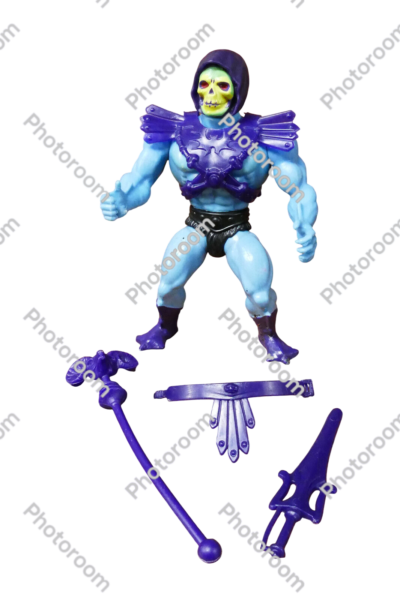
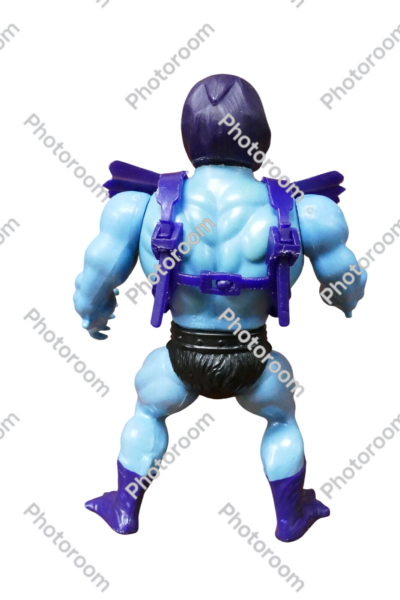
The He-Man Skeletor Action Figure was a detailed toy created by the toy company Mattel and released in 1982, and this small yet mighty figure became part of the larger *Masters of the Universe* (MOTU) franchise—and it truly managed to capture the imaginations of children during that era. Now, let’s take a closer look at how this figure came to be, and why it has enjoyed such enduring allure in the world of action figures.
Background
The *Masters of the Universe* narrative commences with Mattel in the early 1980s, as they competed fiercely with Kenner’s phenomenally triumphant *Star Wars* toys—and Mattel set out to build its own brand that could stand apart in a congested market. They desired a universe that wasn’t tethered by existing intellectual property, something that could stand on its own and even expand into multiple media formats.
The idea of He-Man first emerged as a brainchild during a pitch meeting, with the character initially conceived as a barbarian—and he underwent several transformations in concept before becoming the eventual superhero warrior of Eternia, a mystical realm full of both high-tech weaponry and archaic magic. Skeletor, He-Man’s arch-nemesis, was the villain designed to challenge this hero mainly by pursuing the mighty Power Sword.
The story and environmental backdrop changed a few times before settling on what we now know as the ‘sword-and-sorcery’ setting mixed with science fiction—and additional pieces of media, like animated shows and comics, helped to elaborate out this universe and assisted in establishing He-Man and Skeletor among the iconic duos in popular culture history.
Features
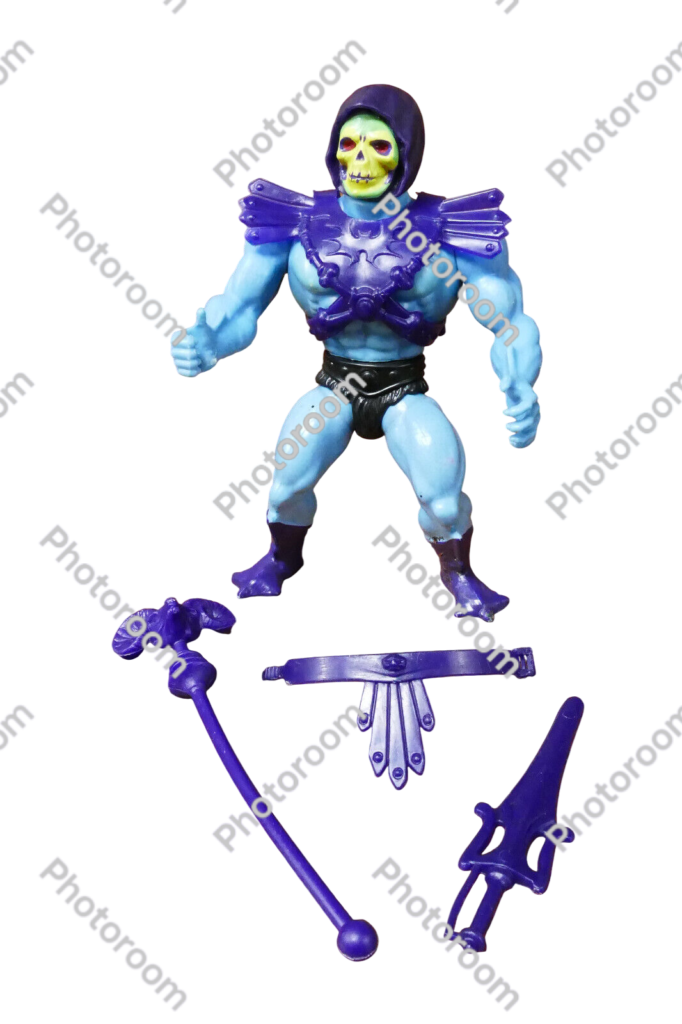
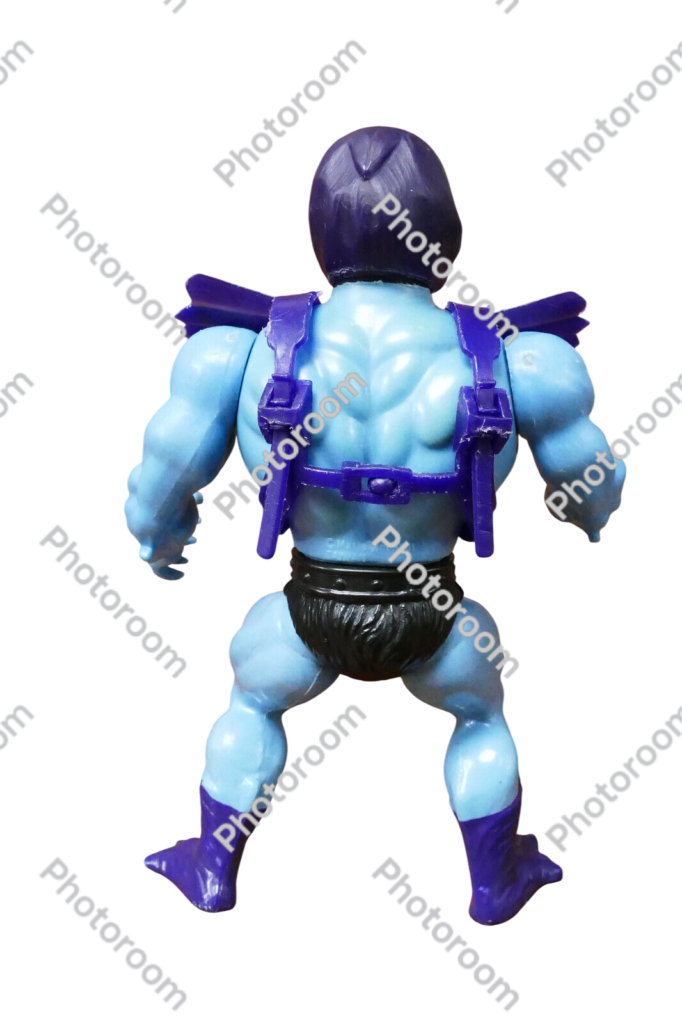
Breaking the mold of existing action figures, the He-Man and Skeletor figures were designed to look heroic—truly muscled-up—and they were bulkier than other toys available at the time, standing at approximately 5.5 inches tall. With their exaggerated musculature, they aimed to capture that quintessential comic book hero aesthetic that wiht adored.
One key feature was the “Power Punch” action, a twist of the torso that allowed children to simulate combat scenes—and this innovative yet straightforward mechanism turned static figurines into engaging interactive toys without requiring batteries or electronics, which really made them stand out.
Weapons and accessories were diverse and unique for each character, adding additional depth to playtime—and the durability made these toys ideal for play, along with the interchangeable parts that encouraged children to mix and match—which, at that time, was as close to digital customization as you could get.
Popularity and Legacy
Almost from the inception, the He-Man and Skeletor figures hit a nerve (in a good way) with the youth—and sales were bolstered by the television series, which provided a narrative context and plotline for the toys. The episodes aired daily, contributing greatly to the brand’s reach. In a world where interconnected universes were yet to explode, He-Man and its media strategy were quite the revelation.
Through the ’80s, the action figures not only thrived but influenced other toy lines—and competitors, observing the success of MOTU, decided to jump on the wagon with similar product lines like *Thundercats* and *Teenage Mutant Ninja Turtles*, borrowing the muscular aesthetics and action features.
While the hype subsided in the ’90s, He-Man never truly vanished—and the robust foundation allowed it to make several comebacks. To this day, the characters continue to resonate with older fans as a nostalgic relic of childhood and with collectors who view them as a valuable piece of toy history.
Advertisements / Commercials
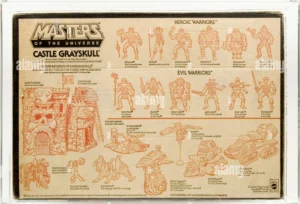
Check out this vintage TV commercial for the 1982 Mattel He-Man Skeletor Action Figure where the ad displays a set of action figures, including He-Man and Skeletor. Each figure and accessory is sold separately. The commercial shows vehicles like the Attack Trak, and places like Castle Grayskull, which can be used with the toys. Kids can imagine battle scenes using the figures, creatures, and vehicles as they wish.
Availability and Collectability
The collecting community for He-Man and his universe is alive and thriving—and if you’ve browsed an online auction site, you’ve likely observed them up for grabs. Their value can fluctuate considerably based on age, condition, and edition. Rarer versions like prototype pieces or certain discontinued figures command higher prices.
With so many variations existing—from the classic figures to more recent contemporary re-releases—the market provides ample opportunity for both nostalgic buyers and hardcore collectors. Older models, especially in their original packaging, are quite the find and can fetch top dollar. Meanwhile, newer releases appeal to those wanting a taste of nostalgia with modern upgrades.
Retailers also continue to restart production in the MOTU line with new designs and accessories that attract new audiences and maintain the interest piqued in current fans—and it’s a cycle that keeps the brand relevant and available while honoring its legacy.