






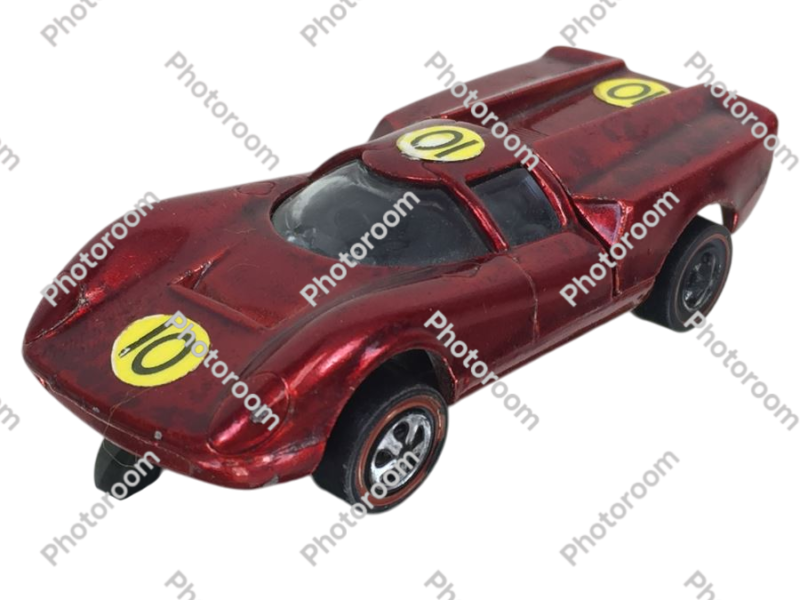
The Hot Wheels Redline Racer was famously a toy car manufactured by Mattel and released in 1968.
Background
The Hot Wheels brand, introduced in 1968 by American toy manufacturer Mattel, revolutionized the die-cast car market – prior to Hot Wheels, Matchbox dominated the market with more diminutive, exiguously designed vehicles. Elliot Handler, one of Mattel’s founders, sought to compete with Matchbox by creating a line of toy cars that emphasized speed and aesthetics, leading to the birth of Hot Wheels.
The idea for Hot Wheels came when Handler noticed his son playing with Matchbox cars – eager to offer something more exhilarating, Handler collaborated with Jack Ryan, an engineer at Mattel, and Harry Bradley, a car designer, to create the new line. The initial release was the “Original Sweet 16,” which included 16 different designs, many crafted with assistance from Handler and Bradley.
The success of Hot Wheels was bolstered by their distinguishing feature: the redline that encircled each tire – the Redline series was named for this crimson pinstripe, bestowing the series its iconic moniker. The cars were painted with a metallic finish known as Spectraflame, adding to their visual appeal. This initial run of Redline cars laid the groundwork for the brand’s enduring popularity.
Features
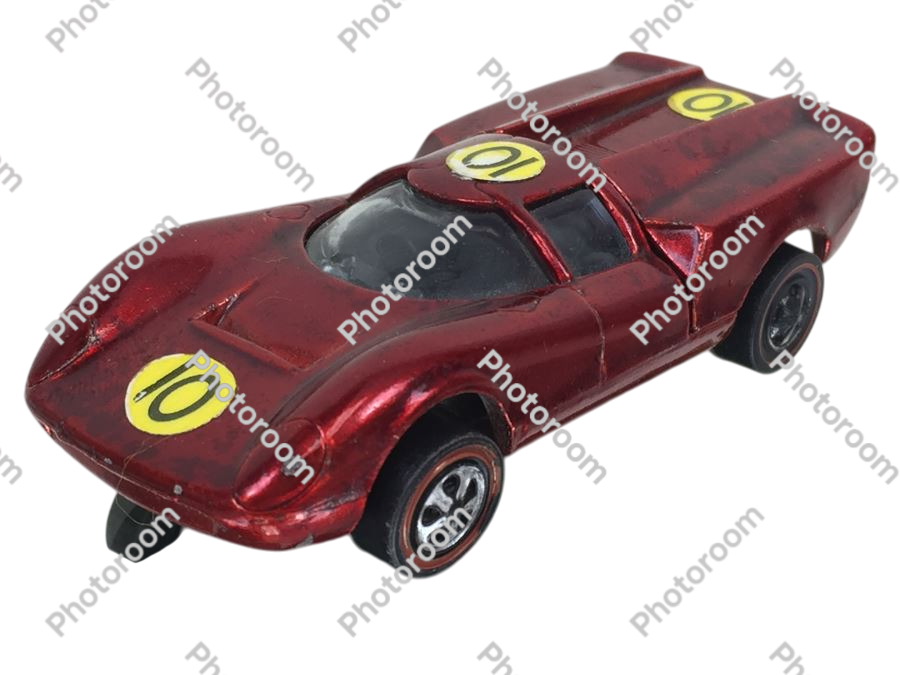
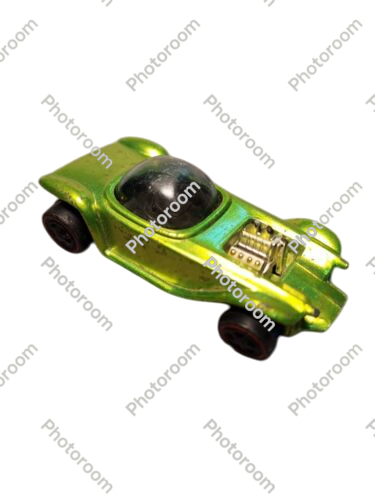
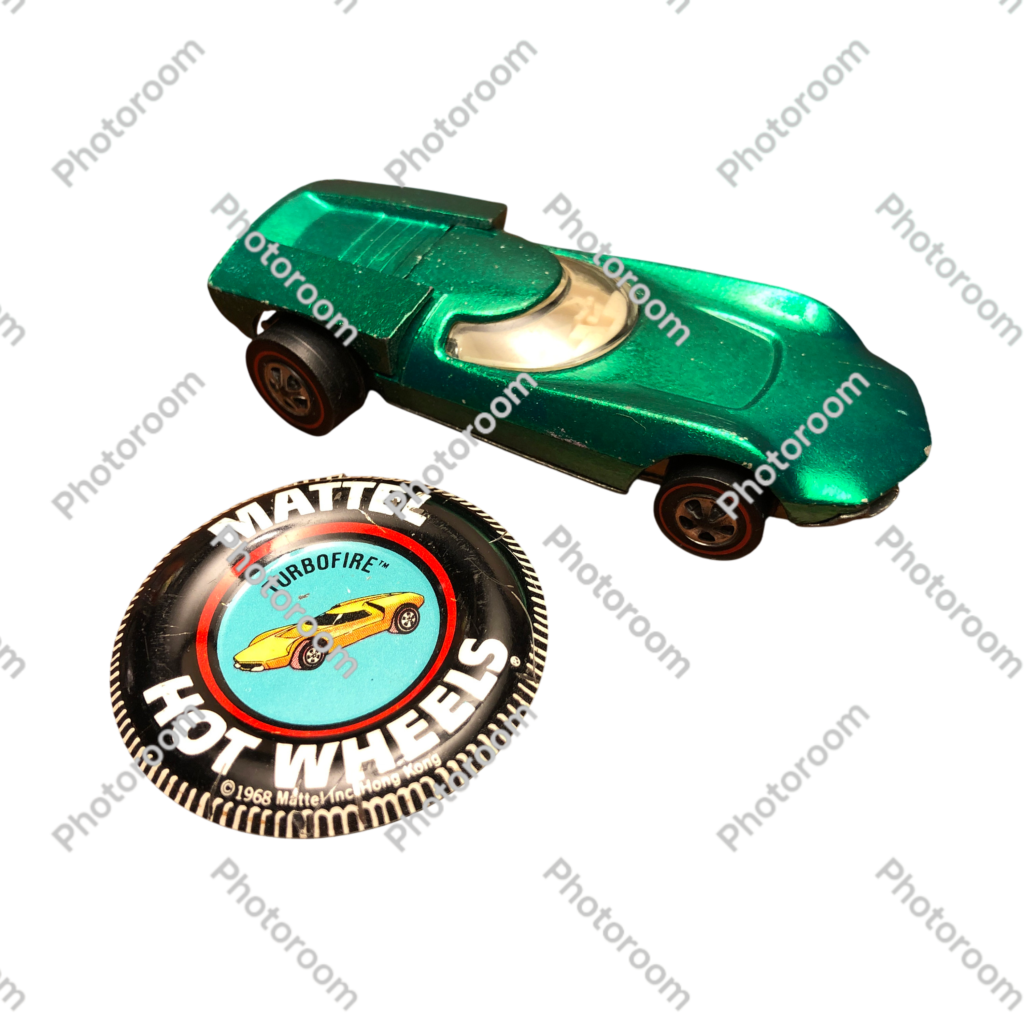
The Redline series was defined by several innovative features that set it apart from other die-cast cars of the time – primarily, the use of Spectraflame paint, which bestowed the cars a vibrant and lustrous metallic finish. This feature made them stand out on toy store shelves and in the collections of young buyers.
The design of the wheels was another standout feature – initially, Hot Wheels had broad, rigid synthetic wheels that rolled effortlessly, allowing the cars to move quickly and smoothly over specially designed tracks. The low-friction axles minimized resistance, giving Hot Wheels cars the ability to achieve the kind of speed and performance not typically seen in other die-cast models, like those from Matchbox.
Another innovative aspect was the introduction of playsets, particularly the orange track sets that allowed cars to perform loops and stunts – these tracks included components such as “superchargers” that propelled cars forward using battery-powered rotating wheels. This track-and-car system encouraged imaginative play and significantly extended the cars’ utility beyond simple collecting.
Popularity and Legacy
Upon their release, Hot Wheels Redline cars were a hit with children, quickly becoming a staple of toy collections across America – the success of the initial models encouraged Mattel to expand the repertoire, introducing new variants each year. This ongoing innovation kept interest in the brand alive and helped it dominate the market.
The Redline Racer series and its successors have had a lasting impact on the hobby of die-cast collecting – aficionados globally pursue vintage Redline models, and collector conventions and clubs have emerged over the years to support this interest. Today, Redline Hot Wheels are highly sought after for their historical importance and nostalgic appeal.
Even with the introduction of countless new models and types over the years, the Redline era holds a cherished place in the hearts of collectors – cars and collectibles from this period often fetch exorbitant prices in auctions and are central to many collections.
Advertisements / Commercials
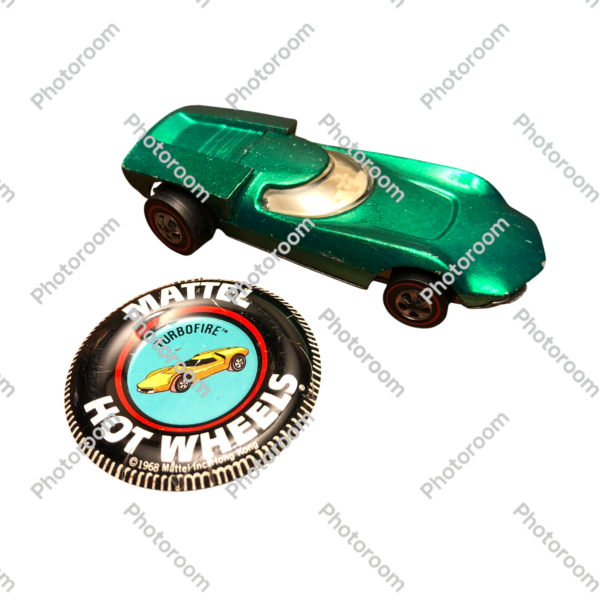
Check out this vintage TV commercial for the 1968 Mattel Hot Wheels Redline Racer where miniature metal cars are shown racing on tracks. The cars have power bulges, torsion bar suspension, chrome engines, and red stripe racing slicks. You can collect the cars individually or with track sets that allow racing and stunts. Various action sets are mentioned for different racing experiences.
Availability and Collectability
In the early days of Hot Wheels, Redline cars were readily available in toy stores across the country – as time has passed, these specific models have become scarce and valuable. Collectors prize them not only for their nostalgia but for their role in the history of toy manufacturing and automotive culture.
The collectability of Redline Hot Wheels has only increased since their original release – immaculate models, especially those with rare colors or variations in production, can sell for hundreds, even thousands, of dollars today. The Rear-Loader Beach Bomb model is one such car, often referred to as the “Holy Grail” of Hot Wheels collecting due to its scarcity and unique design.
For hobbyists and those new to collecting, online platforms and guides offer valuable information on the availability and worth of various Hot Wheels models – resources such as the Online Redline Guide assist collectors to identify rare models and variants. This accessibility to information has fostered a vibrant community and market for these vintage toys.
While attending conventions or joining collectors’ clubs can enhance one’s collecting experience, it remains an approachable hobby for novices – with the advent of the internet, aspiring collectors can now join online communities and forums that provide additional support and collective enthusiasm among fans of Hot Wheels.